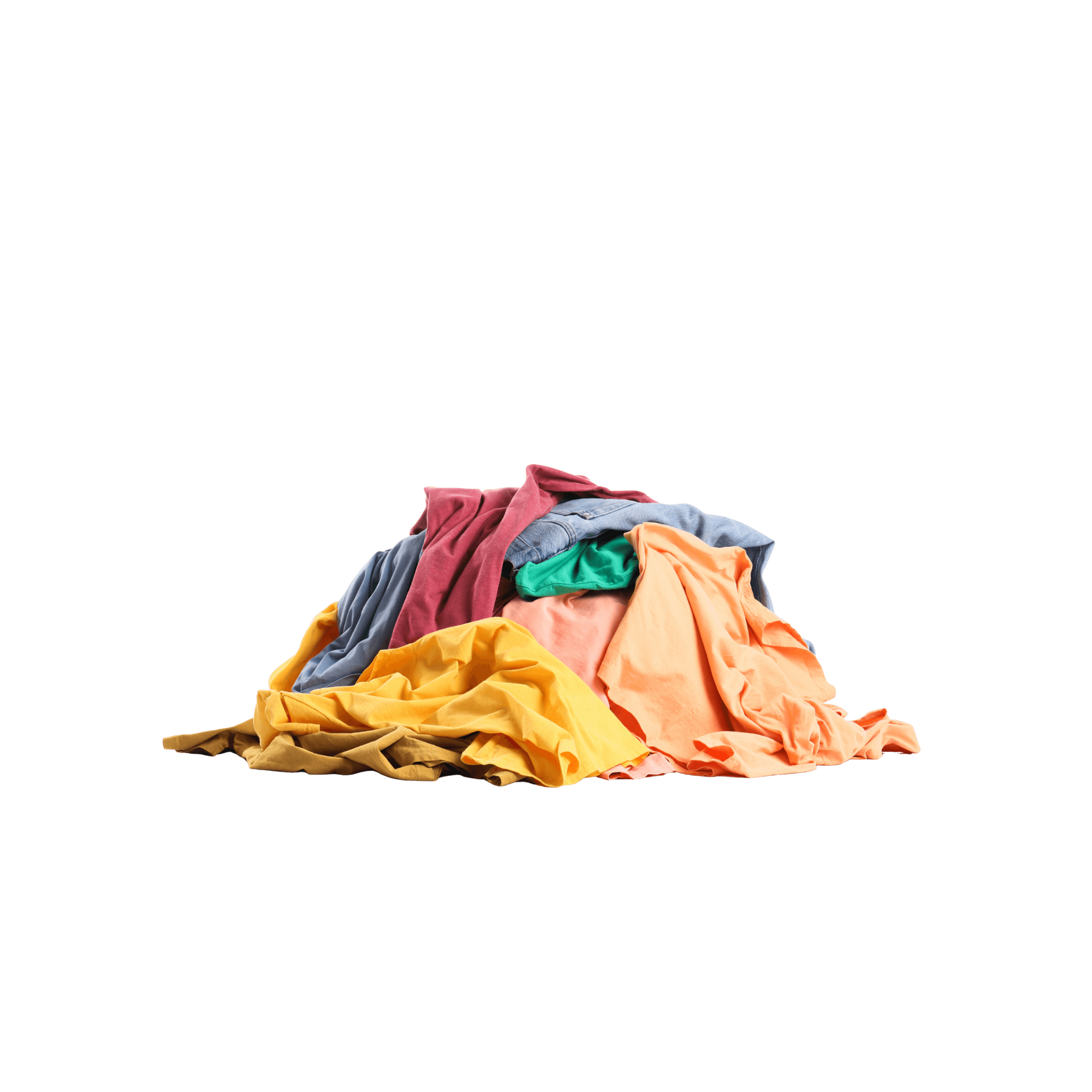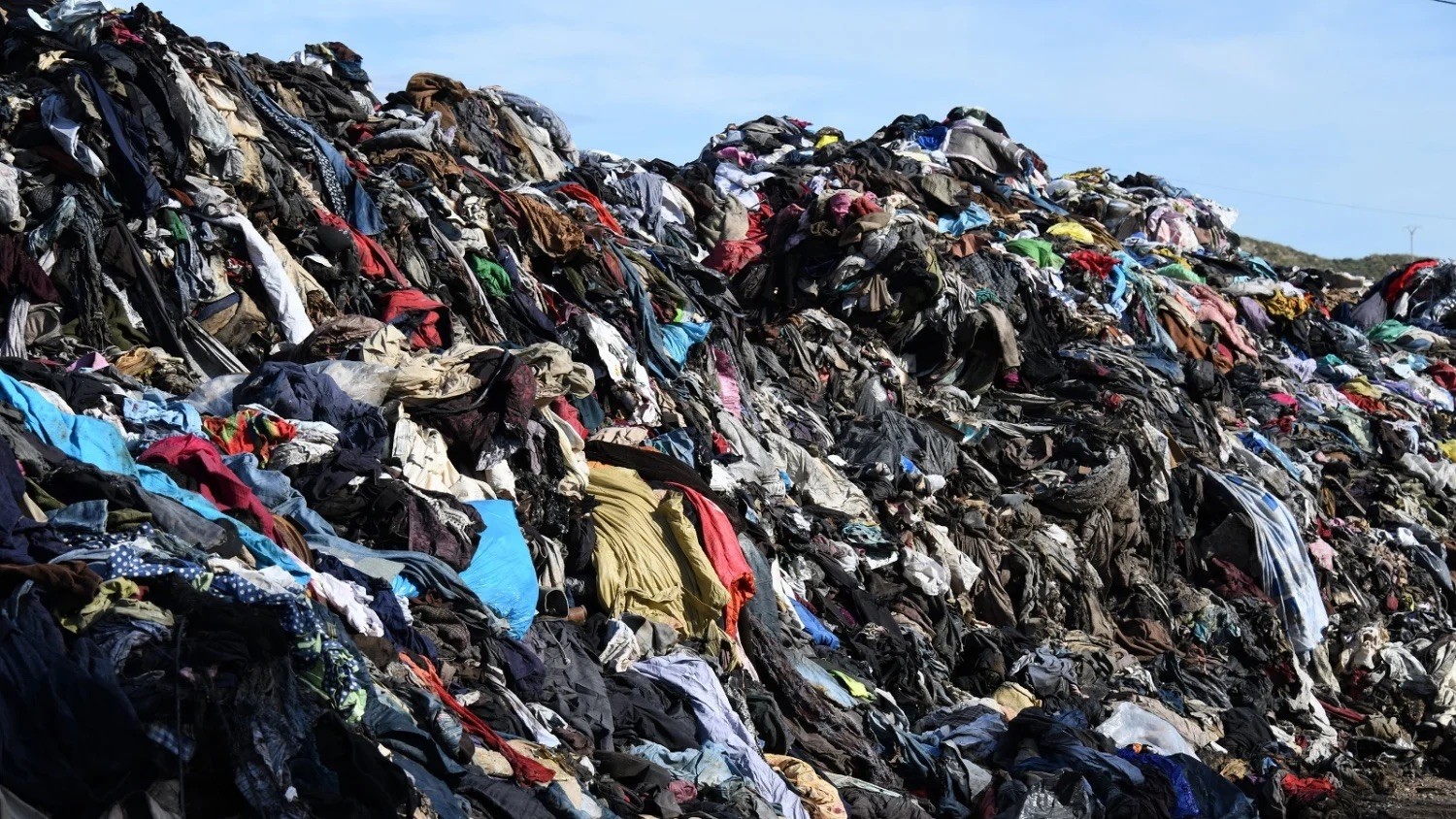
The first time I really noticed fast fashion, it wasn’t because of a statistic or a documentary. It was because my closet was full, and somehow I still felt like I had nothing to wear.
I had pieces I barely remembered buying. Dresses worn once. Tops that looked tired after a few washes. And every time I opened Instagram or walked past a store, there was something new. Something trending. Something that made what I already owned feel outdated.
That feeling isn’t accidental. It’s the engine of fast fashion.
What Is Fast Fashion?
Fast fashion is a business model built on speed. Brands observe trends, replicate them almost instantly, and push them out at prices that make hesitation feel unnecessary. The goal isn’t longevity or craftsmanship. The goal is volume. The faster styles move from runway to rack to landfill, the more profitable the system becomes.
What makes fast fashion especially dangerous is that most of its costs are hidden. The price tag doesn’t show the garment worker being paid pennies per hour. It doesn’t show the rivers polluted by untreated dye runoff. It doesn’t show the plastic fibers shedding microplastics every time the item is washed. What it shows is affordability, convenience, and novelty.
And that’s why so many of us participate in it without realizing.
Why Fast Fashion Is So Harmful
Fast fashion impacts nearly every part of the supply chain
Environmental impact
Heavy use of polyester and other fossil-fuel based fibers
High water consumption and toxic dye runoff
Over 90 million tons of textile waste generated annually
Human impact
Garment workers earning below living wages
Long hours and unsafe conditions
Lack of supply chain transparency
Fast fashion brands rarely announce themselves as such. They don’t need to. Instead, they rely on signals that feel normal in modern shopping. New arrivals every week. Prices that seem too good to question. Sustainability pages filled with soft language and vague promises. A quiet absence of information about where clothes are actually made or who made them.
Sometimes the brands don’t even look “cheap.” Some appear minimalist, premium, even ethical at first glance. But when you slow down and look closer, the same patterns appear. Speed over substance. Marketing over transparency. Growth over responsibility.
How to Identify Fast Fashion Brands
The hardest part is that avoiding fast fashion doesn’t mean never making mistakes or never buying something imperfect. It means learning to pause long enough to notice the system behind the product. You don’t need insider access to spot fast fashion. Look for these red flags:
1. Extremely Low Prices
If a dress costs less than a meal, someone else is paying the price—usually workers or the environment.
2. Constant New Drops
Brands releasing “new” collections every week rely on overproduction and trend churn.
3. Vague Sustainability Claims
Words like eco-friendly, conscious, or green with no data or proof are classic fast fashion tactics.
4. Synthetic-Heavy Materials
Large percentages of polyester, acrylic, or nylon with no recycling plan or fiber innovation.
5. No Transparency
If you can’t find:
Factory locations
Material breakdowns
Labor standards
That pause before you buy is powerful. Because once you see fast fashion for what it is, shopping stops being a reflex and starts becoming a choice.
A Smarter Way to Shop, Without the Guesswork
If you’re tired of decoding sustainability claims and opening 20 tabs just to buy one item, that’s exactly the problem Shezaar is built to solve.
Shezaar is a browser extension that helps you:
verify brand and product claims,
understand what a product is actually made of and how it’s made,
and discover better alternatives from independent, more responsible brands without leaving the page.
Download Shezaar and turn confusing fashion marketing into clear, grounded decisions.